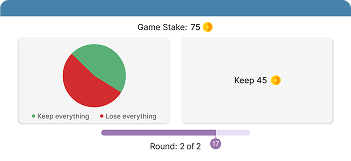
 Emotion Recognition
Objective & Quantitative
Capture emotional responses with standardized behavioral metrics.
Digital tasks designed to assess emotion recognition, affect labeling, emotion regulation, emotional reactivity, and affective processing through interactive smartphone-based paradigms.
Spica enables researchers and clinicians to capture real-world emotional biomarkers remotely, continuously, and at scale.
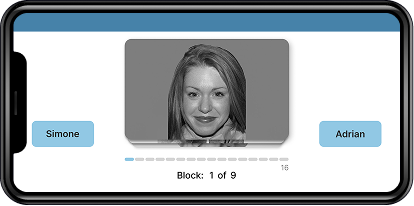

Emotional functioning plays a central role in mental health, social interaction, stress regulation, and quality of life across a wide range of conditions.
Spica’s digital affective tasks provide scalable, objective, and repeatable assessment of emotional processes in real-world environments using interactive smartphone-based paradigms.
Capture emotional responses with standardized behavioral metrics.
Assess emotional processing remotely using smartphone-based interactions.
Track emotional changes and affective patterns longitudinally.
Millisecond-level interaction data for affective biomarker discovery.
Evaluates the ability to recognize and label emotions based on facial expressions. This task measures affect labeling accuracy, response time, and emotional granularity.
How It Works in Spica
Key Metrics
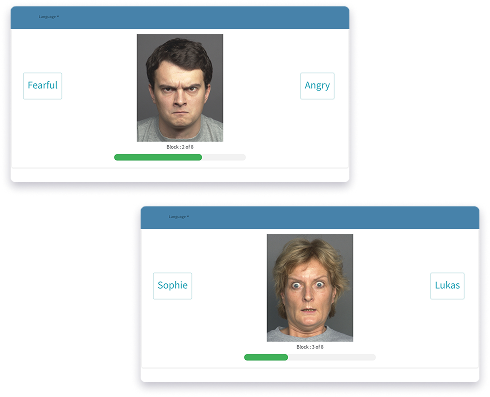
Task Data:
Evaluates the ability to detect subtle changes in facial expressions by identifying emotions across a morph continuum.
How It Works in Spica
Key Metrics
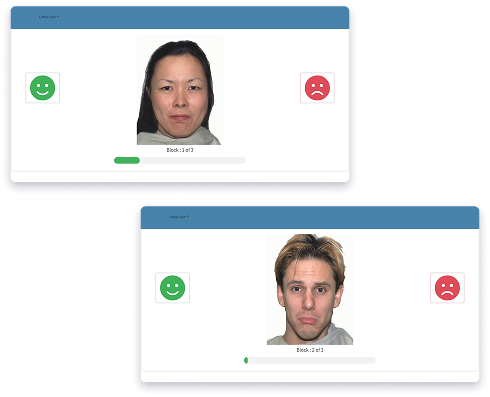
Task Data:
Depression and Anxiety Research
Social Cognition Assessment
Autism Spectrum Studies
Emotion Regulation Monitoring
ADHD and Behavioral Research
Treatment Response Tracking
Digital Mental Health Research
Remote Patient Monitoring
Enable scalable, objective, and real-world emotional assessment through clinically relevant digital tasks and multimodal monitoring.


 7.svg)