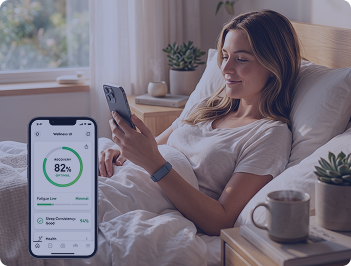
Home-Based Sleep Staging with the Spica Platform

AI-Powered Sleep Analysis. Anywhere.

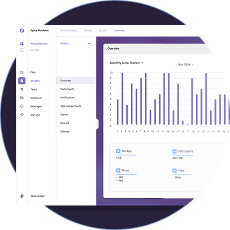
Spica enables remote, home-based sleep staging using wearable devices and artificial intelligence. Participants wear a compatible device overnight while the Spica app automatically collects physiological signals. Our deep learning engine analyzes the data and provides accurate sleep stage predictions in an intuitive research dashboard.

Clinically Validated
Secure & GDPR Compliant
Scalable for Large Studies

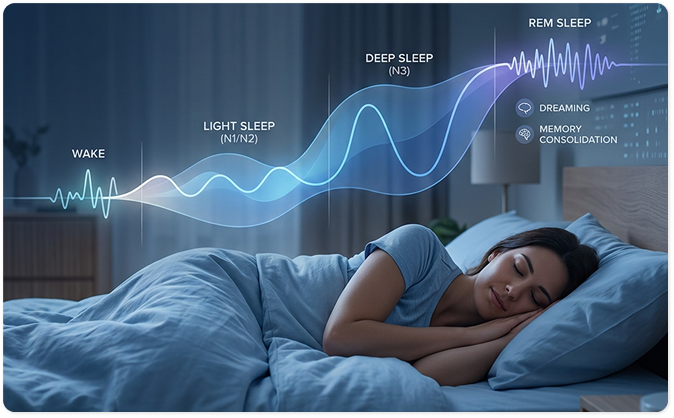
Understanding Sleep Architecture

Sleep cycles through distinct stages that play vital roles in physical recovery, memory, emotional regulation and overall well-being.

1

Wake

Awake Alert
2

Light Sleep (N1/N2)

Light sleep Restorative sleep
3

Deep Sleep (N3)

Body repair Recovery
4

REM Sleep (Rapid Eye Movement)

Memory consolidation Learning
Sleep stage architecture visualization

Complete Sleep Staging Workflow with Spica

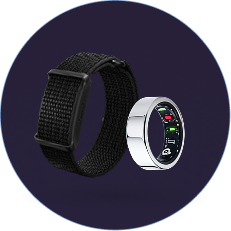
Wearable Devices

Wearable Devices

  • Polar 360 wearable
  • Smart rings with PPG
  • Compatible PPG wearables
  • Multi-device integration
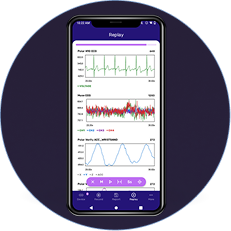
Spica App

Spica App

  • Overnight data recording
  • Automatic synchronization
  • Secure local storage
  • Study task reminders
AI Sleep Staging Engine

AI Sleep Staging Engine

  • Deep learning analysis
  • 30-second sleep staging
  • High accuracy
  • Cross-subject validation
Spica Dashboard

Spica Dashboard

  • Remote participant monitoring
  • Sleep data visualization
  • Sleep results review
  • Structured data export

Supported Physiological Signals

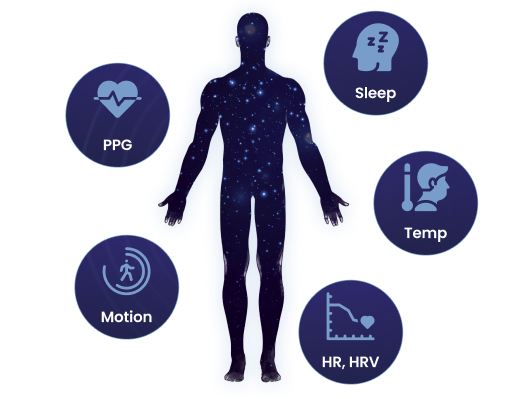
Spica collects multiple physiological and behavioral signals including:

Sleep

Sleep Metrics

Cardiovascular

Heart Rate (HR) HRV PPG Metrics

Behavioral

Motion Activity Step Count

Thermoregulatory

Skin Temperature
Body silhouette representing multimodal physiological signal collection

Results

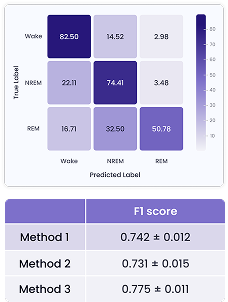
The model performs well under cross-subject evaluation on two distinct datasets, indicating effective learning of subject-independent sleep patterns. The lower performance in the 4-class setting is mainly attributed to Deep Sleep class imbalance, as balancing methods were avoided to preserve temporal continuity. Cross-dataset results further demonstrate strong generalization across datasets, highlighting the robustness and transferability of the proposed approach.

Model Pipeline

Wearable PPG. 10 hour full-night recording
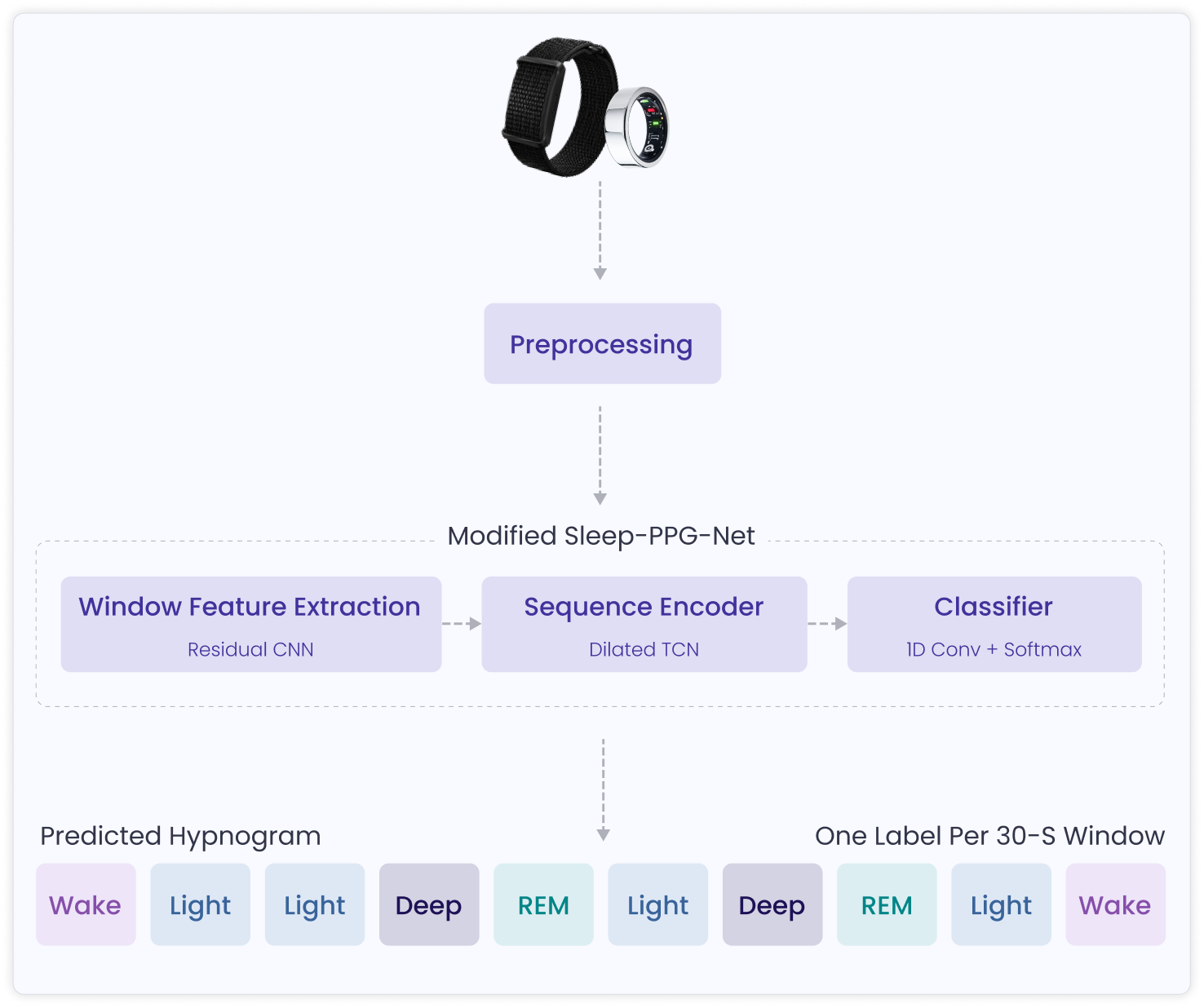
Modified Sleep-PPG-Net model pipeline from wearable PPG to predicted hypnogram

Cross Subject Evaluation

MESA Dataset (3 Class)

MESA Dataset (4 Class)
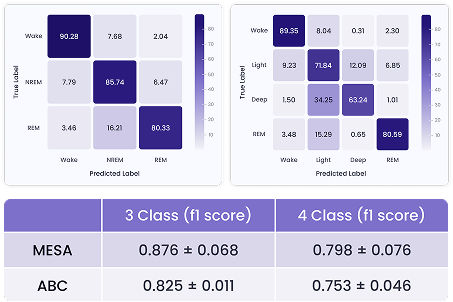
Cross-subject evaluation confusion matrices and F1 scores on MESA and ABC datasets

Cross Dataset Evaluation

ABC Dataset (Method 3)

Cross-dataset evaluation confusion matrix and F1 scores across methods

Why It Matters

Accurate sleep stage detection enables early detection of sleep disorders, personalized recommendations, and better long-term health outcomes.

Early Detection

Identify hidden sleep disturbances early

Personalized Insights

Tailored recommendations for better sleep

Better Outcomes

Improve recovery, health and quality of life
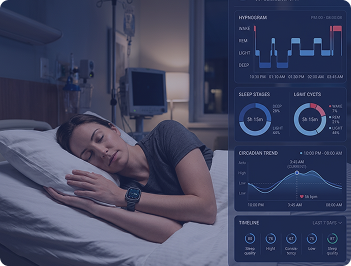
  • Memory & Learning: Strengthens memory consolidation
  • Physical Recovery: Supports tissue repair and immune function
  • Emotional Well-Being: Regulates mood and reduces stress
  • Performance: Enhances focus, energy and productivity

From Sleep Signals to Meaningful Insights

Clinical Applications

Clinical Applications

  • Sleep disorder screening support
  • Insomnia pattern detection
  • Circadian rhythm analysis
  • Longitudinal patient monitoring
Research Applications

Research Applications

  • Digital phenotyping of sleep
  • Large-scale cohort studies
  • Biomarker discovery in sleep & psychiatry
  • Remote patient monitoring studies
Personalized Insights

Personalized Insights

  • Sleep quality beyond duration
  • Recovery and fatigue estimation
  • Behavioral and Lifestyle feedback
  • Better daily performance and well-being

Let’s Transform Sleep Into Better Outcomes

Partner with us to bring advanced sleep intelligence to more people, everywhere.