Remote Data Collection For Depression & Anxiety Research

Spica brings together continuous physiological data from wearable sensors, patient-reported outcomes, and smartphone-based digital assessments in one research-ready platform.
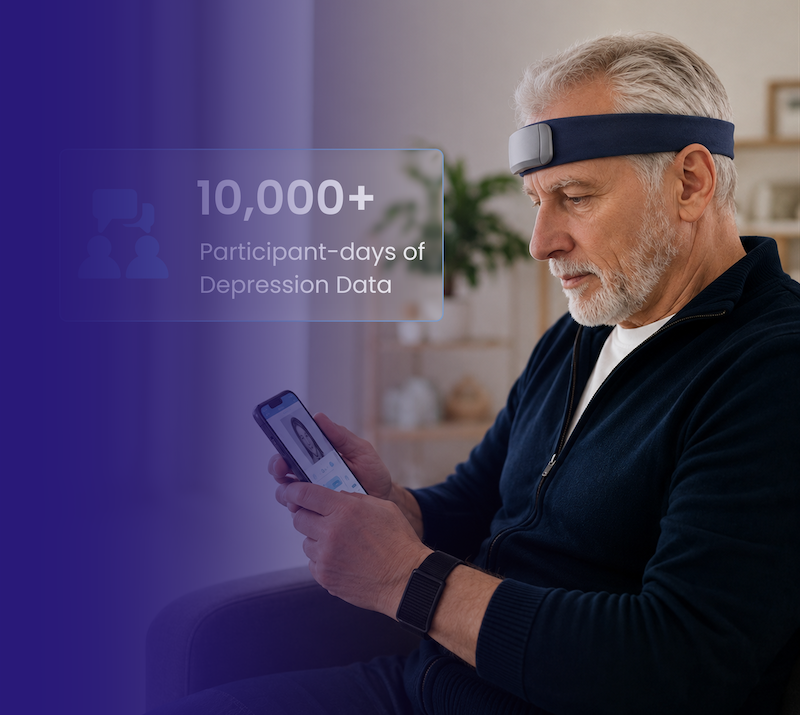
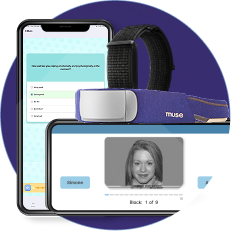
Participant using wearable sensors and smartphone for depression research

Depression & anxiety are dynamic. Your data should be too.

Clinical assessments often capture a snapshot of a patient’s condition. Longitudinal digital data can reveal how symptoms, physiology, behavior, and cognition change over time; in real-world settings.

Longitudinal

Capture patient data continuously across days, weeks, and months.

Multimodal

Combine physiological, behavioral, and patient-reported data.

Real-World

Collect data remotely while patients go about their everyday lives.

Research-Ready

Centralize heterogeneous data streams in one structured research environment.
From Data Collection to Research Insights

Data Collection

Data Collection

  • ● Wearable Sensors
  • ● EMA & Questionnaires
  • ● Symptom Assessments
  • ● Digital Tasks
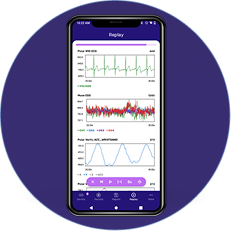
Spica App

Spica App

  • ● Automated wearable data sync
  • ● Scheduled EMA & questionnaires
  • ● Smartphone-based cognitive & emotional tasks
  • ● Secure remote data collection
Spica AI

Spica AI

  • ● Multimodal data integration
  • ● AI-powered physiological signal analysis
  • ● Pattern & trajectory detection
  • ● Digital biomarker generation
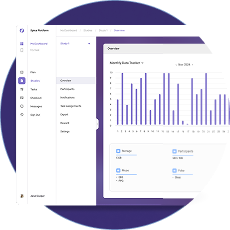
Spica Dashboard

Spica Dashboard

  • ● Real-time Study Monitoring
  • ● Patient Engagement Tracking
  • ● Multimodal Data Management
  • ● Research Data Visualization

Wearables Powering Affective-Disorder Research

View All Supported Wearables →

Spica integrates continuous and contextual data from wearable sensors and patient-reported inputs to build a unified clinical dataset.
Polar Health Trackers

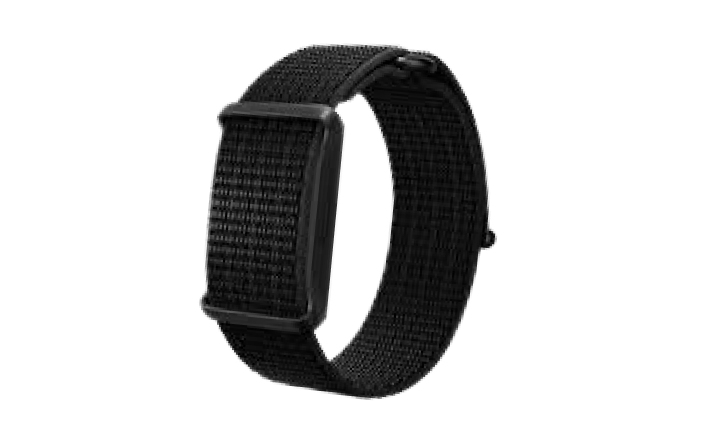
Polar Health Trackers

  • ● PPG, HR, HRV
  • ● Activity, Steps
  • ● Sleep, Temperature
  • ● Accelerometry
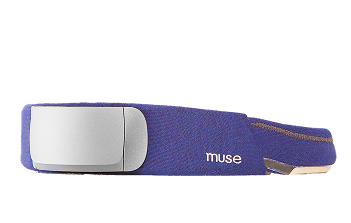
Muse Headband

Muse Headband

  • ● EEG (up to 6 channels)
  • ● PPG, HR, HRV
  • ● Gyro
  • ● Accelerometer

Compatible with a wide range of wearable devices to support flexible study and clinical needs.

Real-world Research Experience

View All Case Studies →

SFB/TRR 393 Trajectories of Affective Disorders

Description:

A multi-institutional research program investigating trajectories of affective disorders through longitudinal and multimodal data collection.

Features:

  • ● Smartphone-based data collection
  • ● Wearable physiological sensors
  • ● Emotional & cognitive tasks
  • ● Patient & data management

Research Partners:

WWU Münster
Philipps-Universität Marburg
Technische Universität Dresden
Universität Bonn
Karlsruher Institut für Technologie
Explore SFB/TRR 393 →

Interactive Therapy for Children with Anxiety Disorders

Description:

A research project exploring interactive therapy for children with anxiety disorders, supported by remote physiological data collection and real-time integration with digital therapeutic experiences.

Features:

  • ● Remote physiological data collection
  • ● Game integration
  • ● Large-scale data acquisition
  • ● Real-time data feedback
  • ● Automated data upload

Research Partners:

WWU Münster
Universität Osnabrück
HAW Hamburg
Since March 2025
Explore KIKAN →

Longitudinal data. Collected remotely. At scale.

Spica has supported the remote collection of more than 5,000 participant-days of depression data, enabling researchers to look beyond isolated clinical assessments and study patient trajectories over time.

Multiple Data modalities

Multi-institutional Research collaboration

Real-world Remote data collection

10,000+

Participant-days of depression data

Planning a depression or anxiety study?

Whether you’re designing a longitudinal observational study, clinical trial, digital intervention, or multimodal data collection protocol, our team can help you explore the right setup.