
Go Beyond Glucose Measurements and Capture
The Full Picture of Diabetes in Real-World Settings
Spica is a remote monitoring platform that integrates CGM, wearable, and patient-reported data to support diabetes research and digital biomarker discovery.
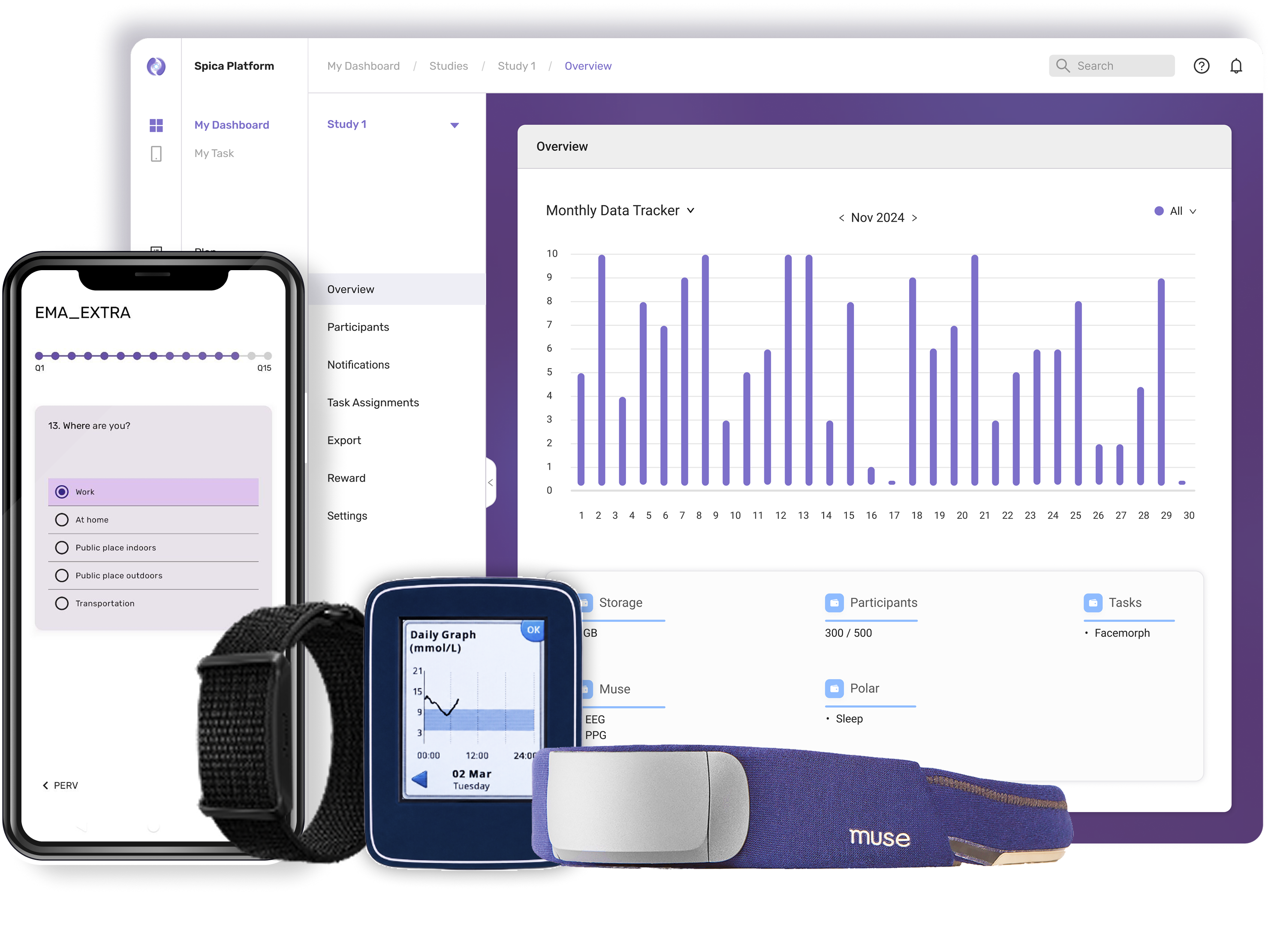


Diabetes Is More Than Glucose
Diabetes is a complex systemic condition that affects multiple physiological systems beyond blood glucose regulation.
Changes in glucose levels influence cardiovascular function, autonomic nervous system activity, sleep quality, physical activity, cognitive performance, and overall well-being. Yet most diabetes research still relies on isolated measurements collected during occasional clinic visits.
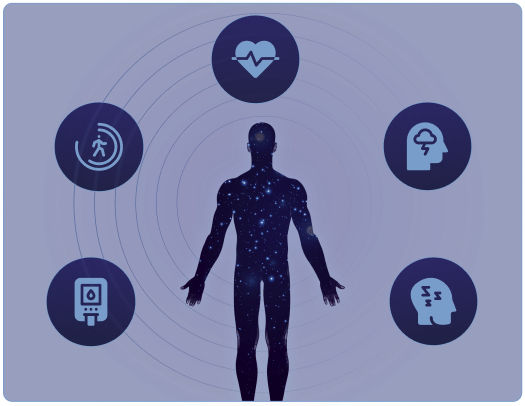
How Spica Turns Diabetes Data Into Clinical Insights

Data Collection
CGM · Activity Trackers · Sleep & Physiological Sensors · EMA Assessments
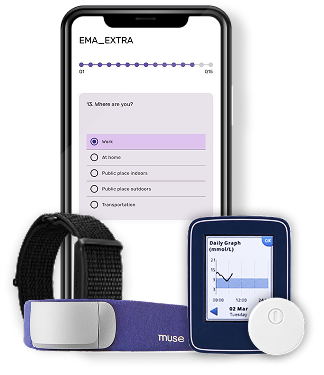

Spica Mobile App
Sync data from all devices · Patient-reported outcomes (EMA) · Real-time logging & monitoring · Data validation & preprocessing
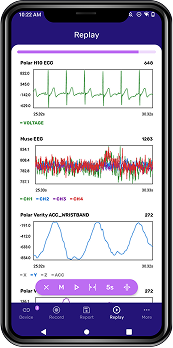

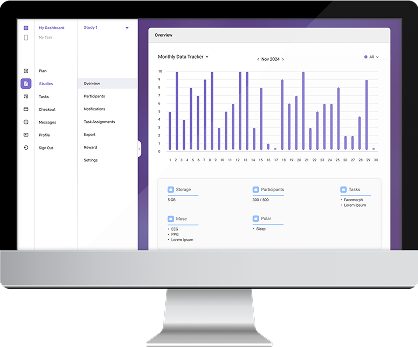
Spica Dashboard
Aggregated patient data · Trends & patterns (glucose variability) · Alerts & risk detection · Cohort-level analytics
Data Collection
CGM · Activity Trackers · Sleep & Physiological Sensors · EMA Assessments
Spica Mobile App
Sync data from all devices · Patient-reported outcomes (EMA) · Real-time logging & monitoring · Data validation & preprocessing
Spica Dashboard
Aggregated patient data · Trends & patterns (glucose variability) · Alerts & risk detection · Cohort-level analytics
Standardized Digital Biomarkers In Diabetes
Explore More Research Studies →Spica integrates continuous and contextual data from wearable sensors and patient-reported inputs to build a unified clinical dataset.
Polar Health Trackers
- ● PPG, HR, HRV
- ● Activity, Steps
- ● Sleep, Temperature
- ● Accelerometry
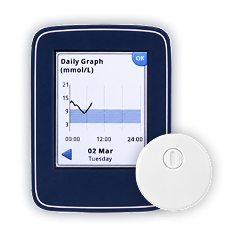
CGM Sensor
- ● Interstitial glucose level (time-series)
- ● Time in Range (TIR)
- ● Glucose variability (CV / SD)
- ● Hypo / hyperglycemic events & alerts
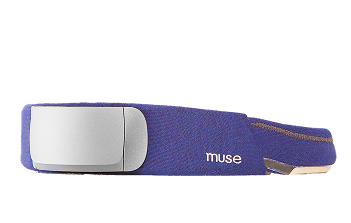
Muse Headband
- ● EEG (up to 6 channels)
- ● PPG, HR, HRV
- ● Gyro
- ● Accelerometer
Continuous CGM and Wearable Monitoring in Daily Life
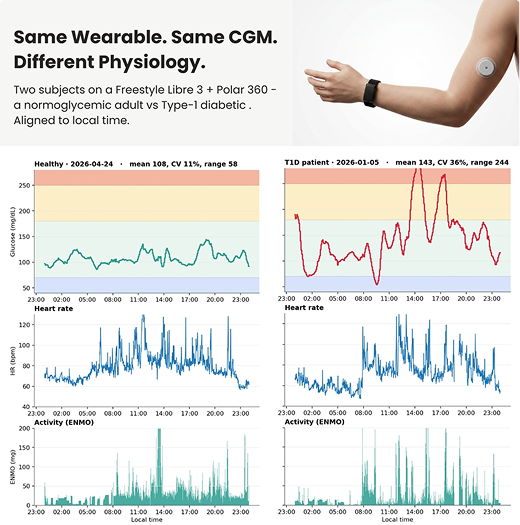
Spica synchronizes data from Continuous Glucose Monitoring (CGM) systems (Abbott FreeStyle Libre 3) and wearable sensors (Polar 360) to study glucose fluctuations alongside cardiovascular and behavioral signals.
By aligning glucose, heart rate, and activity data in real time, researchers can uncover how daily physiology differs across individuals — even when wearable signals appear similar on the surface.
Healthy Adult:
- Glucose CV: 11%
- Daily Glucose Range: 58 mg/dL
- 100% Time in Range
Type 1 Diabetes Participant:
- Glucose CV: 36%
- Daily Glucose Range: 244 mg/dL
- Episodes of both hypoglycemia and severe hyperglycemia within a single day
While activity and heart-rate traces may appear similar, the metabolic signal reveals substantial differences. By synchronizing glucose measurements with physiological and behavioral data, researchers gain unprecedented visibility into how the body responds to glycemic excursions in real-world environments.
Advance Diabetes Research with Real-World Data
Whether you are conducting digital biomarker research, decentralized clinical trials, remote patient monitoring studies, or behavioral intervention programs, Spica provides the infrastructure needed to collect and analyze multimodal diabetes data at scale.


